
Your science and technology news from Laos
Provided by AGP
CAVWV Documents Exclusion of Lao, Hmong, Khmer and Vietnamese Allies from U.S. Veteran Recognition Programs
CAVWV
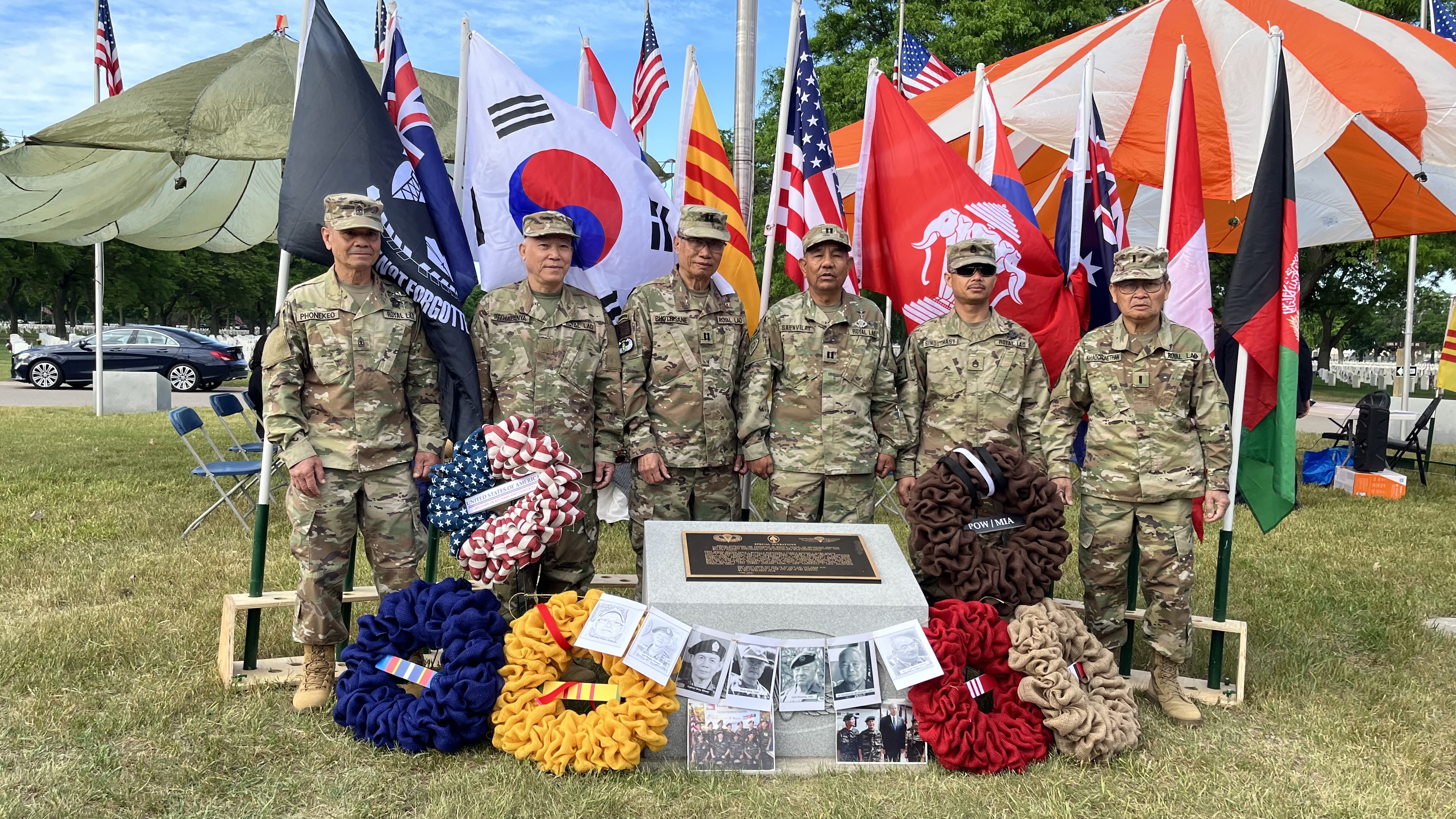
Minnesota Lao SGU Veterans
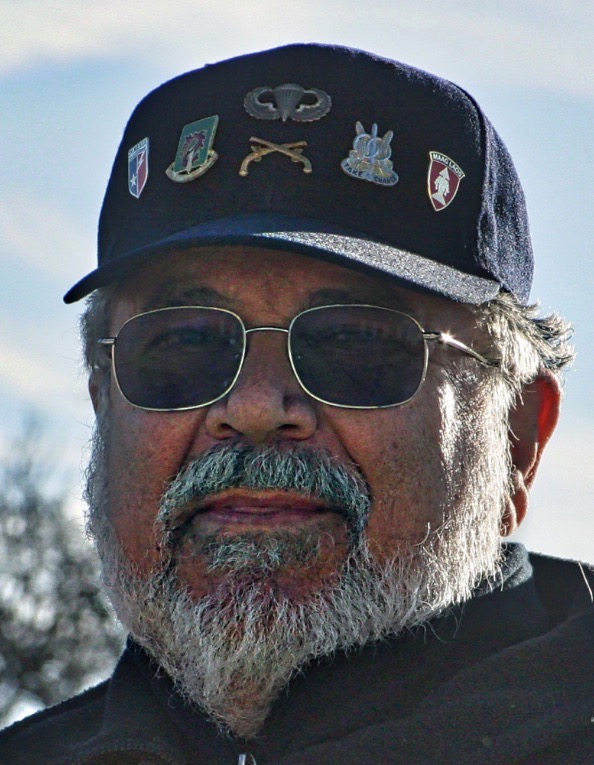
Thomas Leo Briggs, President, CAVWV - CIA Paramilitary Case Officer, Pakse, Laos, 1970–1972
Allied communities who bled alongside U.S. forces in Laos, Cambodia & Vietnam are still waiting for the recognition their American counterparts were promised.
The men who flew over Laos served without names. The allies who fought on the ground beneath them served without recognition. Both are owed the same thing: an honest accounting.”
— Thomas Leo Briggs, President, CAVWV
ST. PAUL, MN, UNITED STATES, May 19, 2026 /EINPresswire.com/ -- The Lao, Hmong, Khmer, Vietnamese, Montagnard, and Nung allies who bled alongside U.S. forces in Laos, Cambodia, and Vietnam are still waiting for the recognition their American counterparts were promised
When America finally begins to account for the Forgotten Warriors of the Secret Air War in Laos, it will confront a truth that federal and state recognition programs have systematically avoided for fifty years: the men who fought alongside American forces in that war were not only American airmen. They were Lao soldiers. Hmong fighters. Khmer irregulars. Vietnamese Kinh, Montagnard, and Nung irregulars who answered American intelligence officers' calls, went into denied territory, and in many cases died there, in a war that the United States officially denied was happening, in a country the United States officially denied it was operating in.
The Coalition of Allied Afghan & Vietnam War Veterans (CAVWV) has spent this Memorial Day week bringing forward the stories of American airmen who flew in that war without names, without geography in their citations, without their country's public acknowledgment. Today, CAVWV adds the names that are most systematically absent from American law and public memory: the allied communities whose sacrifice on behalf of American policy has never been fully acknowledged, and in many cases has been explicitly excluded from the federal and state veteran recognition programs that were designed, in principle, to include them.
The CIA's Special Guerrilla Units in Laos, comprising lowland Lao, Lao tribesmen of many tribes, and Hmong fighters, under commanders including General Vang Pao in Military Region 2 and General Soutchay Vongsavanh commanding SGU forces in the south, were organized, equipped, and directed by the United States government. They were not auxiliaries. They were the ground force in a war that the United States could not officially fight. When American Raven Forward Air Controllers flew unarmed over the most dangerous terrain in Southeast Asia to direct air strikes in support of those forces, they were flying in defense of troops the U.S. government had recruited, trained, and armed. When those Raven pilots were shot down and needed rescue, it was often Lao and Hmong fighters who held the perimeter that kept them alive until the helicopters arrived.
That interdependence is not reflected in American law.
Federal recognition programs ostensibly designed to cover Vietnam War U.S. Government allies have, in practice, excluded the majority of those allies. The Hmong Veterans' Naturalization Act of 2000 covered a narrow slice of the SGU community. VA burial benefit eligibility under 38 U.S.C. § 107 has been applied inconsistently and sometimes denied to allied veterans whose service was at least as direct as those the law was designed to cover. State programs, including Minnesota's HF3919, establishing SGU veteran eligibility under MN Statute 197.448, have moved toward inclusion, but the companion legislation needed to close an equity gap affecting Lao veteran service members who served in the Minnesota National Guard has not yet been passed. Across eighteen years of Minnesota appropriations history documented by CAVWV, Vietnamese and Cambodian communities received zero direct appropriations. Lao communities received their first funding only in 2023.
This is the other side of the Secret War's recognition gap. The American airmen whose citations said "Southeast Asia" instead of Laos have been forgotten. The Lao soldiers who held the ground beneath those airstrikes, who guided the mirror flashes that brought Raven pilots to the target, who carried wounded Americans to landing zones, who died in numbers that dwarfed American casualties, they were not given sanitized citations. They were simply not given recognition at all.
CAVWV calls on Congress, the Department of Veterans Affairs, and state legislatures to complete the accounting that Memorial Day 2026 has begun, for the American airmen whose names were sealed away, and for the allied communities whose names were never written into American law in the first place.
"The men who flew over Laos served without names. The allies who fought on the ground beneath them served without recognition. Both were forgotten by a country that never knew them. Both are owed the same thing: an honest accounting." - Thomas Leo Briggs, CAVWV President, author of Cash on Delivery: CIA Special Operations During the Secret War in Laos (Rosebank Press, 2009), CIA paramilitary case officer, Pakse, Laos, 1970–1972
Full research documentation, unit histories, and allied community recognition analysis are available at www.cavwv.org/forgotten-warriors.html. CAVWV's eighteen-year Minnesota legislative appropriations analysis and SGU veteran equity documentation are available at www.cavwv.org.
About CAVWV
The Coalition of Allied Afghan & Vietnam War Veterans (CAVWV) is a veteran advocacy organization dedicated to recognition of the service and sacrifice of American veterans and the Southeast Asian allies who fought alongside them during the Vietnam War era, including the citizens of the Republic of Vietnam, the Kingdom of Laos, the Kingdom of Cambodia, and the Khmer Republic who served as surrogates for American policy. CAVWV advocates on behalf of the full range of allied communities — Vietnamese (Kinh), Montagnards, Lao Loum, Lao Theung, Lao Sung, Nung, Khmer, and others, whose contributions have been systematically overlooked in federal and state recognition programs. cavwv.org
Media Contact: Thomas Leo Briggs — cavwv.president@gmail.com
Thomas Leo Briggs
Coalition of Allied Afghan & Vietnam War Veterans (CAVWV)
cavwv.president@gmail.com
Visit us on social media:
X
Legal Disclaimer:
EIN Presswire provides this news content "as is" without warranty of any kind. We do not accept any responsibility or liability for the accuracy, content, images, videos, licenses, completeness, legality, or reliability of the information contained in this article. If you have any complaints or copyright issues related to this article, kindly contact the author above.
